
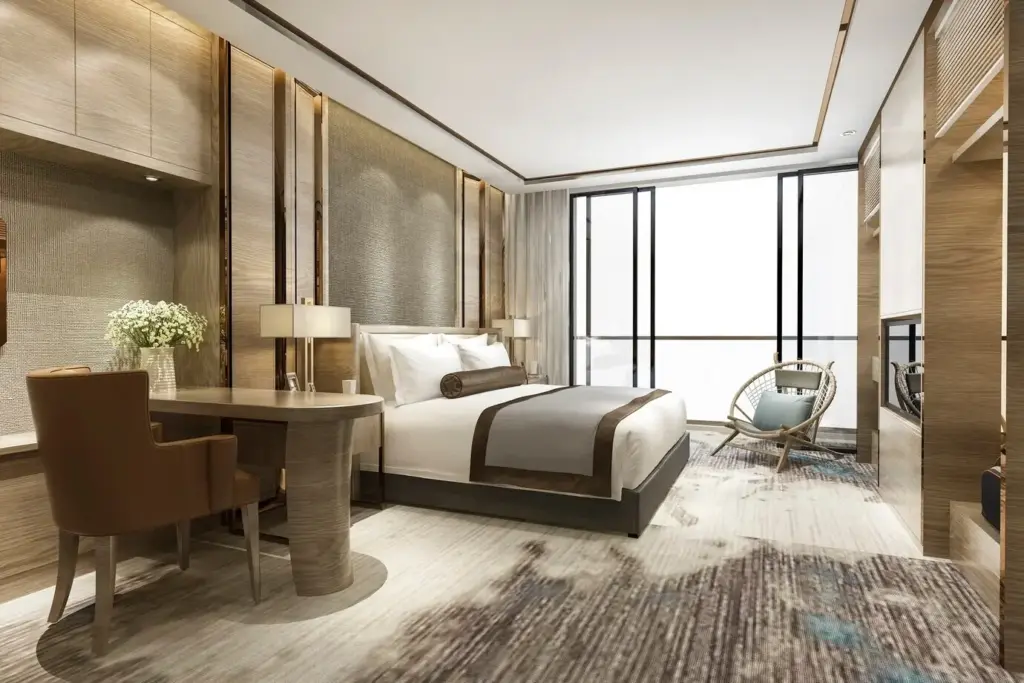
Bring Five-Star Comfort Home
Today we dive into Hotel-Caliber Home Upgrades, translating signature hospitality comforts into everyday living. From cloudlike beds and spa-bright bathrooms to discreet technology and thoughtful service rituals, you’ll learn how to recreate polished, welcoming experiences for yourself and guests, without pretension, using practical steps, honest budgets, and design wisdom. Share your questions, tell us what you try, and subscribe for weekly checklists, product insights, and room-by-room guides that make every day feel delightfully taken care of.
The Bed That Hugs You Back
Mattress, Topper, and Support
Choose a medium-firm mattress that supports spinal neutrality, then add a quality down-alternative or latex topper to soften pressure without trapping heat. Hotels favor durable cores with resilient edge support, minimizing motion transfer for shared sleep. Rotate quarterly, vacuum the surface, and use a breathable protector to maintain hygiene. If you wake achy, adjust topper thickness before replacing the base; incremental changes often deliver the biggest, most cost-effective improvements.
Linens That Breathe and Shine
For that cool, inviting feel, select long-staple cotton percale around 300 to 400 thread count, or sateen if you prefer silky drape. Wash with minimal detergent, skip heavy fabric softeners, and dry slightly underdone to preserve fibers. Iron pillowcases and the top twelve inches of the flat sheet for a hotel-fresh look. A snow-white palette showcases cleanliness, simplifies replacements, and lets seasonal throws or accent pillows rotate without clashing.
Pillow Menu at Home
Personalize support by mixing fills: a down-alternative for softness, a shredded latex for shapeable lift, and a medium memory foam for side sleepers. Keep two primary pillows per sleeper and a slim spare stored in the closet. Label protectors with firmness notes to make refreshing straightforward. Once a month, sun pillows briefly to air them out. A small card on the nightstand suggesting swaps mirrors hotel thoughtfulness and invites guests to rest well.
Spa-Ready Bathroom Rituals

Water, Pressure, and Temperature Precision
Install a thermostatic valve to lock in your ideal temperature, reducing fiddling and saving water. Pair a gentle rain head with a targeted handheld for versatility, then maintain descaled fixtures for consistent flow. Consider a high-efficiency pump or pressure-balancing valve if supply varies. A small bench, squeegee, and quick-dry mat streamline upkeep and safety. When water behaves beautifully, everything else in the ritual feels calmer, faster, and more effortlessly luxurious.
Lighting That Flatters Morning and Night
Position vertical sconces at eye level on both sides of the mirror for balanced, shadow-free grooming. Use dimmable, high-CRI bulbs around 2700–3000K for evenings and a brighter setting for energized mornings. Add a nightlight circuit to guide sleepy steps without glare. Layered illumination supports makeup accuracy, shaving precision, and mood. Keep switches clearly labeled and finishes fingerprint-resistant. Thoughtful light choreography turns routine tasks into moments that feel refined and restorative.
Towels, Robes, and Amenities
Stock two bath sheets, a hand towel pair, and two washcloths per person, rotating weekly for freshness. Turkish or combed cotton balances absorbency with soft heft. A warming rack or timed dryer cycle adds spa comfort on chilly mornings. Decant shampoo and lotion into matching, labeled bottles for visual calm. Place a laundry bag, spare toothbrush, and travel-size extras for guests. These provisions say, without words, you are welcome and cared for.
Lighting, Mood, and Scent
Hospitality design layers light for function, comfort, and rhythm: ambient for ease, task for precision, and accent for drama. Add scent as a quiet memory cue, choosing natural notes that don’t overwhelm. Calibrate color temperature by time of day, and use discreet dimmers to fine-tune. A small evening ritual—soft lamps, gentle music, and a warm fragrance—signals the nervous system to settle, making home feel beautifully orchestrated and deeply personal.
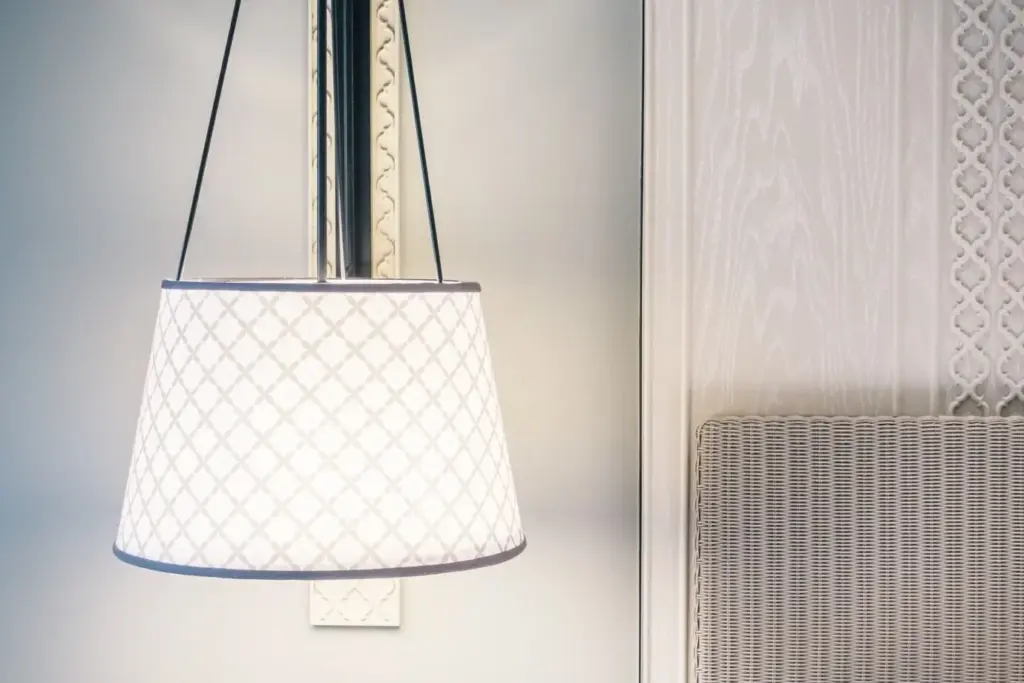
Layered Illumination with Purpose
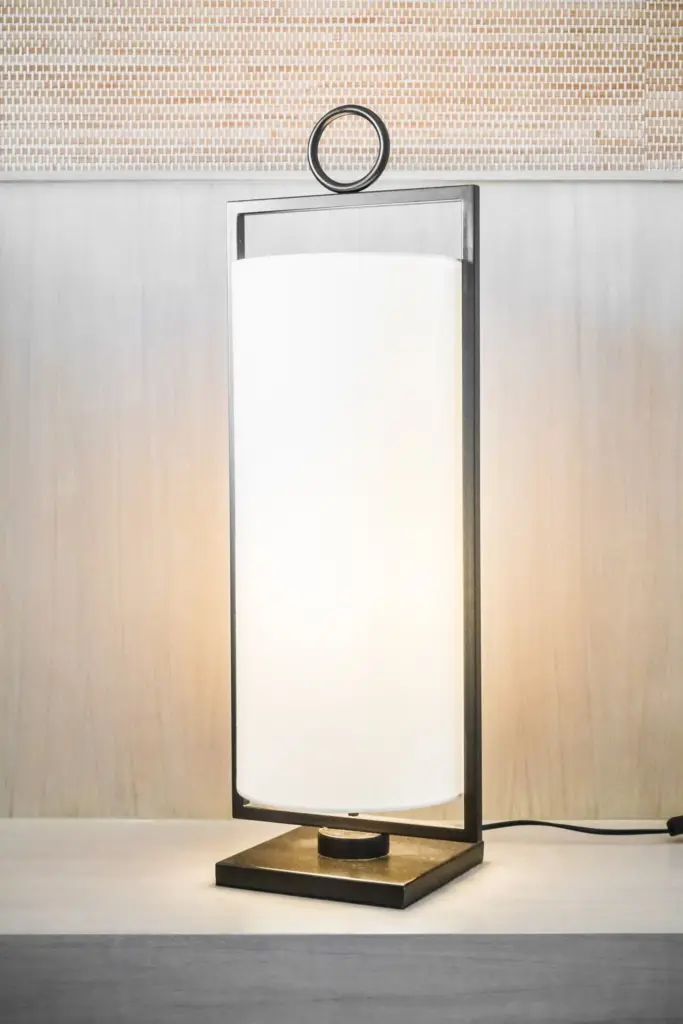
Combine ceiling washes, shaded floor lamps, and focused reading lights to avoid harsh contrast. Put living and bedroom circuits on dimmers, labeling scenes like Relax, Read, and Entertain for instant ambiance. Aim accent light at art or textured walls to add depth without clutter. Choose warm metals or linen shades for diffusion. Consistency across rooms prevents visual fatigue, while thoughtful placement reduces glare on screens and glass, inviting eyes and shoulders to soften.

Color Temperature and Circadian Ease
Use warmer bulbs in lounging zones and slightly cooler, higher-lumen lamps for kitchens and desks, respecting the body’s natural cues. Smart bulbs or tunable fixtures can shift from energizing morning brightness to candle-kissed evening glow automatically. Avoid blue-heavy light late at night, especially near beds. A single miscalibrated downlight can feel interrogative; correcting it changes everything. Aligning light with routine supports better sleep, steady focus, and the quietly luxurious feeling of being unhurried.
Silence, Privacy, and Acoustic Comfort
Great stays feel quiet even when cities roar outside. Add similar serenity with thick rugs, lined curtains, solid-core doors, and strategic bookcases that dampen reflections. Seal gaps, especially under doors, and soften clatter with felt pads. Consider an acoustic panel or two disguised as art. Calm soundscapes—soft ventilation, gentle fans, or a subtle noise machine—sit in the background. Privacy preserves intimacy, reduces stress, and lets the day exhale right at your threshold.
Layer a dense rug pad beneath wool or wool-blend rugs to absorb footfall and echo. Add upholstered pieces and textured throws to break up reflective surfaces. Even a fabric-covered headboard markedly quiets a bedroom. In hallways, runners prevent slap-back acoustics. Cover large blank walls with framed textiles or canvas art to diffuse sound. These adjustments are invisible to most guests, yet everyone notices how the room feels gentler, calmer, and easier to converse in.
Upgrade to double-glazed windows where possible and hang blackout drapery with a tight return for light and noise control. Use weatherstripping or a door sweep to close that pesky under-door gap, a notorious corridor for sound. Solid-core interior doors significantly reduce transfer between rooms. If replacing hardware, look for soft-close hinges. With small, targeted fixes, you transform noise pathways into restful barriers, improving sleep and concentration more than most cosmetic upgrades ever could.
Discreet Technology That Serves People
Use smart features to remove friction, not add complexity. A reliable thermostat schedule, intuitive dimmers, automated shades, and a tidy charging station can feel luxurious without flaunting gadgets. Provide a dedicated guest Wi‑Fi, printed QR codes, and a simple in-home guide. Keep cameras out of private interiors, favor privacy-first sensors, and label everything clearly. When technology supports comfort and vanishes from attention, the experience feels effortlessly capable, considerate, and quietly premium.
Comfort Controls, Simplified
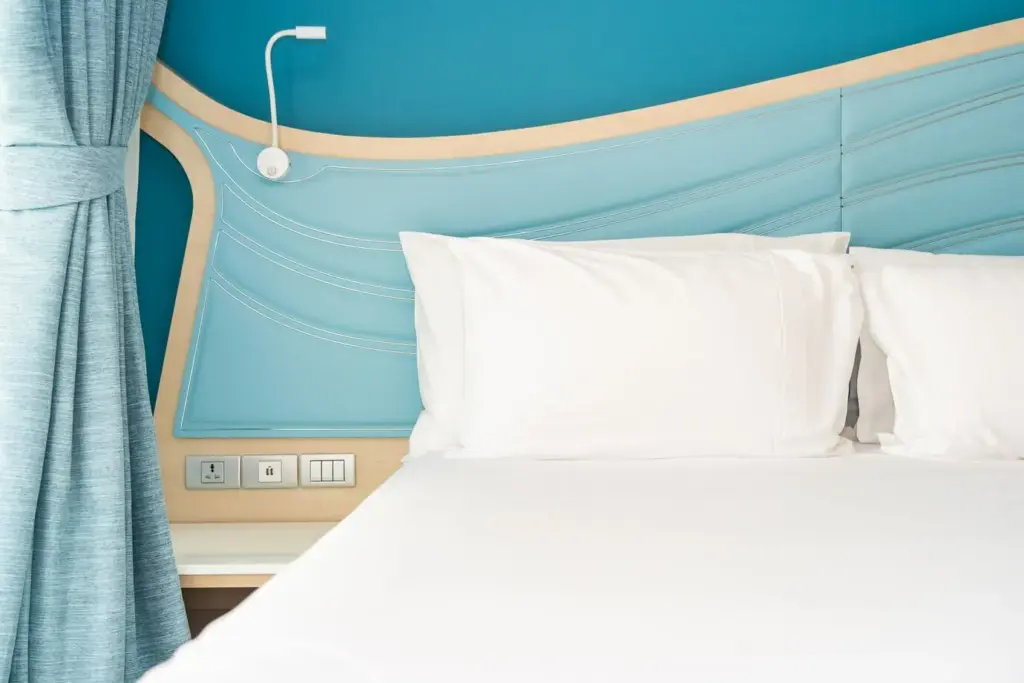
Program morning and evening set points on the thermostat, then leave manual overrides obvious and accessible. Use scene-based lighting controls with plain-English names rather than cryptic buttons. Motorized shades should have one-touch up and down. Place a universal remote or app card in living areas. Reliability beats novelty; fewer, better systems reduce troubleshooting. The aim is to let anyone, guest or resident, understand and adjust the environment within seconds, with zero guesswork.
Guest Mode and Onboarding
Create a laminated or framed one-page guide showing Wi‑Fi details, lighting scenes, thermostat tips, and contact numbers. Add QR codes linking to streaming logins, appliance manuals, and local recommendations. A small welcome message and a gracious checkout note for visitors elevate hospitality at home. Consider a temporary “guest mode” that limits smart-home surprises. When expectations are clear and access is easy, people feel respected, independent, and instantly at ease in unfamiliar surroundings.
Automation That Fades into the Background
Automate only predictable routines: evening lights dimming, shades lowering at sunset, and a gentle thermostat setback after bedtime. Use occupancy sensors sparingly, prioritizing closets, pantries, and powder rooms where convenience is obvious. Avoid motion triggers in bedrooms at night. Keep a manual override everywhere to restore control instantly. Background automation should reduce mental load, not create puzzles. When it quietly anticipates needs, technology disappears, leaving only the feeling that life runs beautifully.
Service Rituals at Home
Five-star stays feel attentive because small acts repeat with care. Bring that spirit home with a nightly reset, a cheerful morning start, and gracious guest gestures. Fold a throw, refill water, clear nightstands, and lay out tomorrow’s essentials. For guests, add flowers, a handwritten note, and local treats. A weekly checklist keeps consistency effortless. Share your favorite rituals in the comments and subscribe for printable schedules that make maintenance feel meaningful and wonderfully human.
All Rights Reserved.